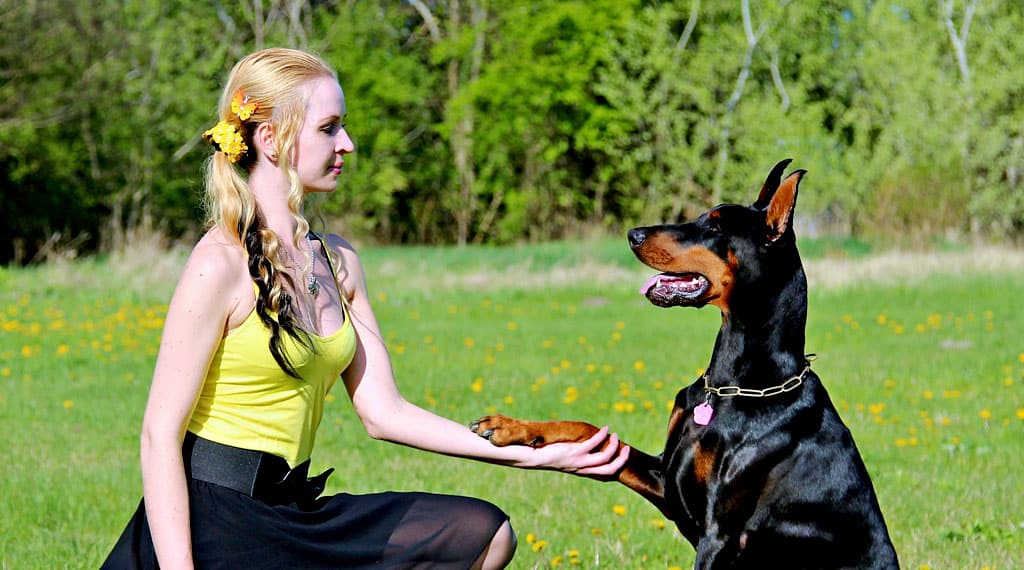
Training your dog isn’t just about commands — it’s about communication, patience, and trust. Whether you’ve just welcomed a new puppy or want to teach your older dog new skills, consistent and positive training builds a happy bond between you and your furry friend.
Here are 20 effective and practical dog training tips to help you get started the right way.
🦴 1. Start Early, Stay Consistent
Begin training as soon as your dog comes home. Puppies learn quickly, but even older dogs can adapt. Consistency is the secret — same commands, same tone, every time.
🎯 2. Keep Training Sessions Short
Dogs have short attention spans. Aim for 10–15 minute sessions, multiple times a day, to keep learning fun and focused.
🍗 3. Use Positive Reinforcement
Reward good behavior immediately with treats, toys, or praise. Positive reinforcement encourages repetition of desired actions.
🚫 4. Never Punish or Yell
Punishment builds fear, not trust. Instead, redirect bad behavior with calm, firm guidance.
🗣️ 5. Use Clear, Simple Commands
Stick to one-word commands like “Sit,” “Stay,” “Come.” Don’t confuse your dog with long phrases.
🕐 6. Train at the Right Time
Train when your dog is alert and not too tired, hungry, or distracted. Early mornings or after light play are ideal.
🏡 7. Create a Calm Training Environment
Start indoors where distractions are minimal, then gradually move outdoors as your dog improves.
🐾 8. Socialize Early
Expose your dog to new sights, sounds, people, and other pets to reduce fear and aggression later in life.
💬 9. Be Patient
Dogs learn at their own pace. Don’t rush — celebrate small wins and stay positive.
🐕 10. Practice Daily
Repetition builds habits. Practice commands and good manners daily, even during walks or meals.
🎁 11. Use Treats Wisely
Choose healthy, bite-sized treats and gradually reduce them as your dog learns to respond to verbal praise.
🧠 12. Include Mental Stimulation
Add puzzle toys or problem-solving games. A mentally active dog learns faster and behaves better.
🦮 13. Teach Basic Commands First
Start with essentials: Sit, Stay, Come, Down, and Heel. Once mastered, move to advanced tricks.
🧍♂️ 14. Use Body Language
Dogs respond to gestures. Pair hand signals with verbal cues for better understanding.
🧹 15. Crate Training is Helpful
Crates can be safe spaces — not punishment zones. Use them to teach boundaries and potty habits.
🚶♀️ 16. Leash Training Matters
Walks are part of training! Teach loose-leash walking to prevent pulling and improve control outdoors.
🧘♀️ 17. Stay Calm and Confident
Your energy affects your dog. Calm, confident owners have calm, obedient dogs.
👨👩👧 18. Involve the Whole Family
Everyone at home should use the same commands and rules to avoid confusion.
📈 19. Track Progress
Keep notes or use a pet training app to track what your dog learns and where it struggles.
🎉 20. Make It Fun!
Training should feel like playtime. Mix commands with games, praise, and lots of love.
🌟 Final Thoughts
Training your dog isn’t a one-day task — it’s a journey of trust and teamwork. With these 20 tips, you’ll not only raise a well-behaved dog but also create a deeper bond built on respect, understanding, and joy.
Remember, every good behavior deserves a celebration — and every moment spent training strengthens your friendship. 🐕❤️
✅ Bonus Tip: End every session on a positive note — a treat, a cuddle, or a fun game. Your dog should always look forward to training time!